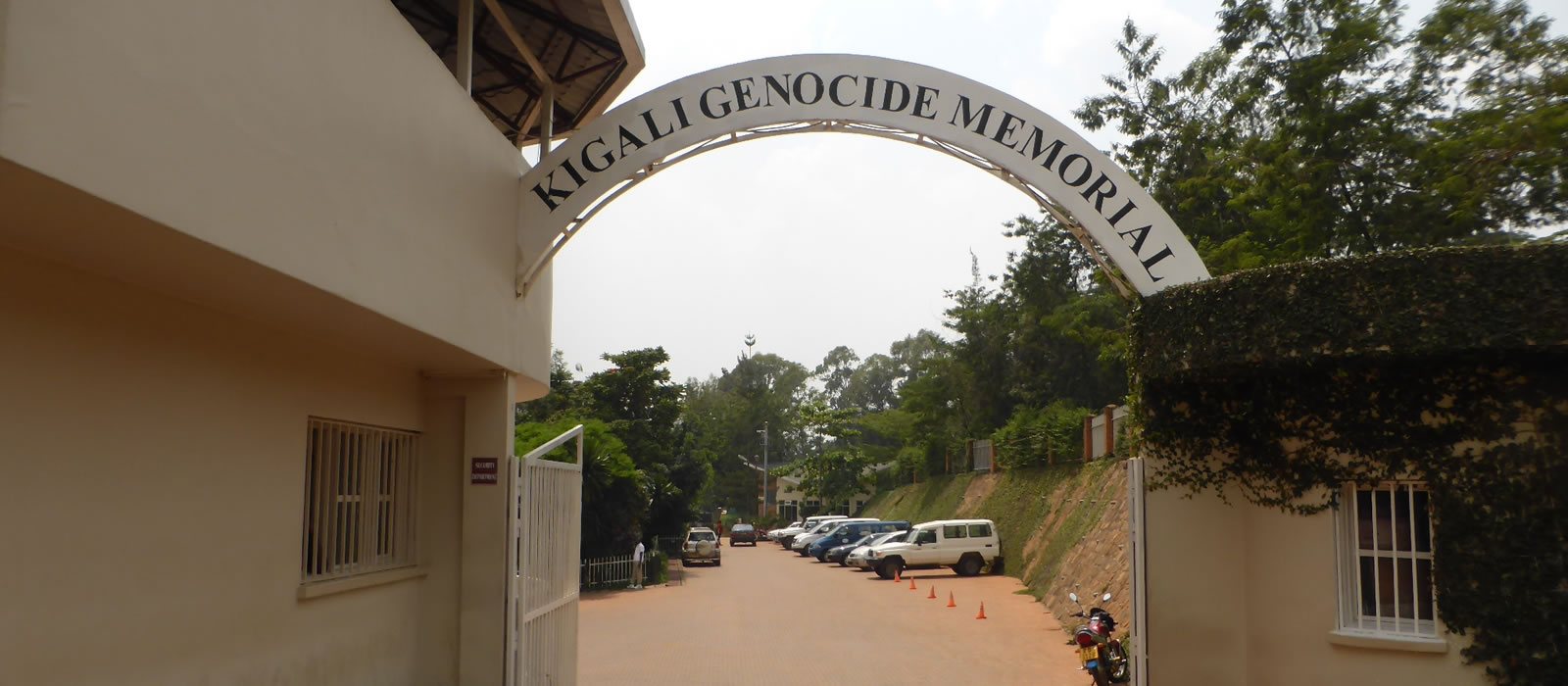
The Kigali Genocide Memorial is one of Rwanda’s most significant places of remembrance, education and historical reflection. Located in Gisozi- Kigali, the Memorial is the final resting place of approximately 250,000 victims of the Genocide against the Tutsi and serves as a centre for remembering those who were killed, honoringsurvivors, documenting history and promoting genocide prevention. The Memorial is simultaneously a burial place, educational institution and place of mourning. It is a must see while on a tour in Kigali city.
A visit is most meaningful when approached with patience and respect. The exhibitions ask visitors to confront difficult aspects of Rwanda’s history including the political and social conditions that preceded the genocide, the organized violence of 1994, the experiences of victims and survivors and Rwanda’s subsequent efforts toward justice, reconciliation and renewal. The Memorial itself describes these themes as central components of its permanent exhibition, “Genocide.”
Historical Background
To understand the Memorial, visitors need some knowledge of the events of 1994. The Genocide against the Tutsi began in April 1994 and unfolded over approximately 100 days. More than one million people were systematically killed, overwhelmingly Tutsi although Hutu and others who opposed the genocide were also murdered. The United Nations identifies 7 April as the beginning of the genocide and commemorates it annually as the International Day of Reflection on the 1994 Genocide against the Tutsi in Rwanda.
The immediate trigger was the 6 April 1994 attack on a plane carrying Rwandan President Juvénal Habyarimana and Burundian President Cyprien Ntaryamira. Following the deaths of the presidents, systematic killings rapidly intensified. Roadblocks were established in Kigali and elsewhere to identify Tutsi people while extremist propaganda helped encourage and legitimize violence. Moderate Hutu politicians and other people who opposed the genocide were also targeted. The United Nations’ historical record describes the killings as systematic and notes the severe limitations of the international community’s response. The genocide involved the systematic targeting and destruction of Tutsi civilians alongside the killing of Hutu and others who resisted or opposed the genocidal campaign. Understanding this distinction is essential when visiting the Memorial because its exhibitions are concerned with genocide, victimization, responsibility, survival and the consequences of organized dehumanization.
What to Expect at the Memorial
The Memorial’s principal exhibition, “Genocide” takes visitors through three broad stages. The first examines Rwanda’s history before the 1994 genocide; the second addresses the genocide itself and the third considers the country’s post-genocide journey including justice, reconciliation and renewal. This structure helps visitors understand that the genocide did not suddenly appear without historical context and that its consequences did not end when the killings stopped.
The exhibition contains historical information, photographs, testimonies and other forms of documentation. Some of the material is extremely distressing. Visitors may encounter evidence of the suffering experienced by victims and survivors, and some accounts can be emotionally difficult to process. It is therefore advisable to move through the exhibition at a thoughtful pace rather than attempting to see everything as quickly as possible.
The Memorial also places Rwanda’s experience within a broader international history of genocide. This is important because the educational purpose extends beyond remembering one historical event. Visitors are encouraged to consider how prejudice, discrimination, propaganda, dehumanization and social division can contribute to mass violence and why societies have a responsibility to recognize and challenge such developments.
The Mass Graves
One of the most solemn areas of the Memorial is the burial site. Approximately 250,000 victims are buried at the Kigali Genocide Memorial. The graves make the scale of the tragedy tangible but they should never be treated simply as an historical display. They are a place where human beings were laid to rest and where survivors, relatives and visitors come to remember them.
Visitors should therefore behave with particular dignity in this area. The Memorial specifically instructs visitors not to step or walk on the mass graves. Eating and drinking are also prohibited in the gardens and exhibition areas. These rules are not merely formal requirements but they help preserve the dignity of the site for survivors, families and other visitors.
If you participate in the Memorial’s Ubumuntu package, you receive a rose that can be placed at the burial site in memory of the victims. This simple act can provide a quiet opportunity for reflection. Even without participating in the package, visitors can pause beside the burial area and reflect on the individual lives represented by the enormous number of people buried there.
The Wall of Names and Remembrance
The Memorial also contains a Wall of Names which is an important part of the institution’s work of remembrance and documentation. Remembering individual victims is particularly significant because genocide can reduce human lives to statistics. Names restore an element of individual identity to people who had families, friendships, professions, ambitions and personal histories.
Visitors should remember that historical documentation is not always complete. The process of identifying victims and recording their names has involved considerable research and remains an important part of memorialization. The Memorial’s broader archival work preserves testimonies, documents and other evidence so that future generations can continue studying what happened.
The Memorial Gardens
The gardens provide an important contrast to the intensity of the indoor exhibitions. They offer visitors an opportunity to walk quietly, reflect and process what they have learnt. The Memorial’s grounds include several areas designed around remembrance, unity, memory and reflection.
It is worth spending time in the gardens rather than immediately leaving after completing the exhibitions. After encountering photographs, testimonies and historical evidence, the quieter outdoor environment allows visitors to think about the human meaning of what they have seen.
The gardens are also a reminder that remembrance can contain both grief and hope. Rwanda’s post-genocide history has included extensive efforts relating to justice, reconciliation and reconstruction. The Memorial presents remembrance not as an attempt to remain permanently in the past but as part of a continuing effort to build a society in which similar such shocking acts do not occur again.
Survivor Testimonies and Guided Visits
An important aspect of the visitor experience is the opportunity to receive information through guided experiences. The Memorial offers guided tours of its exhibitions and gardens, and many of its guides are survivors of the Genocide against the Tutsi.
If you have a survivor guide, remember that you are listening to someone whose relationship with this history may be deeply personal. Visitors should listen carefully and avoid treating someone’s experience as entertainment or as an opportunity for intrusive questioning. Questions about history, education, remembrance and prevention can be appropriate but personal trauma should always be treated with sensitivity.
For visitors who prefer an independent experience, the Memorial also offers an audio-guide option through its Ubumuntu Visit Package. The audio guide provides additional explanations at different points around the Memorial and can allow visitors to move through the site at their own pace.
Visitor Etiquette
Respectful behaviour is essential throughout the visit. The Memorial explicitly asks visitors to dress and behave respectfully because it is a final resting place for victims of genocide.
Photography requires particular sensitivity. Even where photography is permitted, visitors should consider whether taking a photograph is appropriate in a particular moment. A memorial is different from an ordinary sightseeing attraction. Photographing the gardens or exterior may be unobtrusive while photographing grieving visitors or treating graves as a backdrop for casual social-media poses can be deeply inappropriate.
Mobile phones should be kept silent or on vibrate particularly inside the exhibitions. Loud conversations, joking, disruptive behaviour and casual conduct around the burial areas should be avoided. The goal should be to preserve an environment in which everyone can remember, learn and reflect.
Practical Information for Visitors
The Memorial is located in Gisozi, Kigali. According to its current official visitor information, it is normally open from morning to evening every day except Saturday due to Umuganda community work.
The Memorial recommends allowing at least one and a half hours for the complete visit although the actual duration can be longer depending on your pace and whether you participate in a guided experience. For someone who wants to read the exhibitions carefully, visit the gardens and spend time reflecting, allowing two or three hours is sensible.
General entrance to the Memorial is free while optional enhanced experiences such as the Ubumuntu package have charges. The Memorial’s current visitor information lists prices for international visitors and East African Community visitors, so it is advisable to check the official website immediately before travelling because prices and arrangements can change.
Visitors can reach the memorial by car or taxi and parking at the Memorial is free. Public transport is also possible with the nearest bus stop at Kinamba on KN 8 Avenue, followed by a walk toward KG 14 Avenue.
Visiting With Children
The Memorial currently states that children under 12 are not permitted to visit. This reflects the serious and potentially distressing nature of the material presented.
Older students can benefit greatly from the experience when appropriately prepared. Teachers and parents can explain to students that the visit is about understanding history, human rights, discrimination, propaganda, responsibility and the consequences of genocide but not disturbing the images.
After the visit, discussion is particularly valuable. Young visitors can consider questions such as how prejudice can become normalized, how propaganda can influence societies, why people sometimes remain silent when others are being persecuted and what individuals and institutions can do to prevent mass atrocities.
Accessibility
The Kigali Genocide Memorial in Gisozi is wheelchair accessible in its outdoor gardens and mass graves, though the main indoor exhibition areas require navigating stairs.
Visitors with accessibility requirements should therefore contact the Memorial before their visit so that appropriate arrangements can be made.
This is a useful consideration when planning a group visit because accessibility within the grounds does not necessarily mean that every part of the exhibition spaces can be reached without assistance.