Bwindi Impenetrable National Park is located in southwestern region of Uganda along the edge of the Albertine Rift Valley, Bwindi Impenetrable National Park crosses into four districts in southwestern Uganda: Kanungu, Rubanda, Kisoro, with a small section extending into Rukungiri.
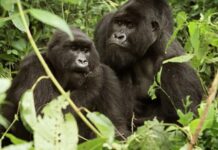
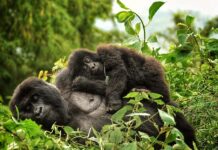
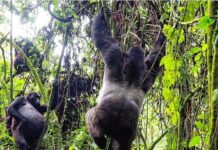
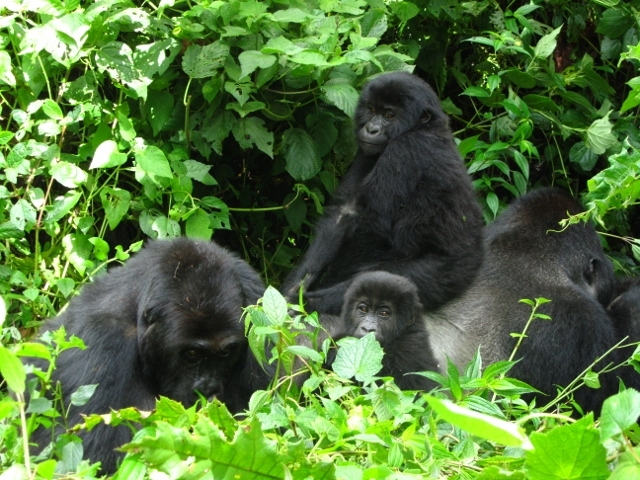
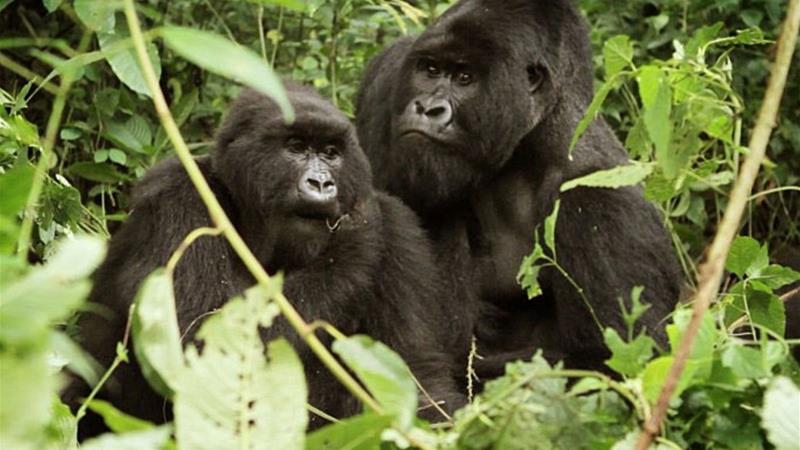
Bwindi Impenetrable National Park is very famous for the 25,000-year-old rainforest sheltering approximately 459 mountain gorillas roughly half of the world’s endangered mountain gorillas, this UNESCO World Heritage Site is a premier destination for unmatched wildlife, famed for its rare primates (Mountain Gorillas) and rich biodiversity. Local highlights feature mountain gorilla trekking, gorilla habituation and cultural experiences.
How to travel to Bwindi Impenetrable National Park.
The park can be accessed by two best alternatives that is to say by road and air transport.
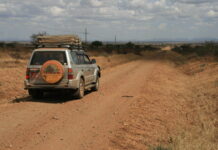
By road, the park’s journey is about 520 Kilometers which is 8-10 hours’ drive from Kampala, Uganda’s capital city. Normally for one to enjoy the journey, 4×4 Wheel drive vehicles are recommended taking the below routes:
Move from Kampala- Kabale about 414 Kilometers, a 5-8 hours’ drive, then Kabale-Kanungu- Kanyantorogo up to the Buhoma Park Headquarters, about 120 kilometers, a 3.5 hour-drive.
Reaching Bwindi by air is a practical and time-efficient option for travelers planning to explore Uganda’s gorilla trekking destinations. With challenging road journeys, flights provide a more direct and comfortable way to access the region. Several domestic airlines from Entebbe and Kampala operate routes to airstrips near Bwindi (Kisoro and Kihihi airstrips).
Gorilla trekking and habituation experiences in Bwindi Impenetrable National Park.
Gorilla trekking in Bwindi Impenetrable National Park offers an unforgettable chance to see endangered mountain gorillas in their natural habitat. The Trekking experience starts with the briefing about the endangered primates (gorillas) at the Uganda Wildlife Authority (UWA) headquarters of the park. The trekking duration ranges from 1 to 7 hours or more depending on where the gorillas nested the previous night. Once the family is located, you are allowed exactly one hour to observe and photograph them while maintaining and following the rules and regulations given by the park guides and rangers. Hikes can be steep, slippery, and physically demanding, so a reasonable level of fitness is highly recommended.
Gorilla habituation experience in Bwindi Impenetrable National Park is an immersive conservation activity where you join researchers and park rangers to spend 4 hours with a semi-habituated gorilla family. The experience begins early in the morning and can last anywhere from 2 to 6+ hours of trekking, followed by exactly 4 hours observing and interacting with the gorillas. This experience teaches wild gorillas to get used to human presence without changing their natural behaviors. This activity is exclusively available in the Rushaga and Nkuringo sectors in the southern part of the park. The habituation experience starts with the briefing about the endangered primates (gorillas) at the Uganda Wildlife Authority (UWA) headquarters of Rushaga and Nkuringo.
Rules and regulations to follow while trekking gorillas in Bwindi.
Gorilla trekking rules are designed to protect both the endangered mountain gorillas from human diseases and to keep visitors safe in the wild. Before starting trekking the endangered primates, all visitors should report to the certain Uganda Wildlife Authority (UWA) headquarters in the park for the brief guidelines about gorilla trekking experiences. These essential guidelines include maintaining a 10 -meter distance, spending a maximum of one hour with the gorillas, and never trekking if you are suffering from a disease.
Strict obedience to these core rules is required while in the forest:
- Do not trek if you have a communicable disease like a cold, flu, or diarrhea. If you need to cough or sneeze, turn away and cover your mouth.
- Keep a minimum distance of 10 meters from the gorillas. Do not attempt to touch them, and remain in a tight group rather than surrounding the gorillas.
- Maintain the exact one hour for gorilla trekking and four hours for habituation to reduce stress on the gorilla family.
- Flash photography is strictly prohibited. Turn off your flash and camera sounds, and move your camera slowly.
- Eating, drinking, or smoking is strictly prohibited near the gorillas and often within 200 meters of their location.
- Keep your voices low throughout the trek, avoid body language and facial expression until you are at least 200 meters away from the gorillas after the encounter.
- Dumping of trash (littering) in the forest is highly prohibited.
What to pack while going for a gorilla trek in Bwindi.
For gorilla trekking, visitors are encouraged to pack long-sleeved shirts, trousers, thick socks, waterproof hiking boots, garden gloves, a lightweight rain jacket, and high-quality insect repellent.
In addition, don’t forget a waterproof daypack for your camera, packed lunch, at least 2 liters of water, and face masks.
Where to trek Gorillas in Bwindi Impenetrable National Park.
Bwindi Impenetrable National Park has steep valleys and rugged terrain, divided into four distinct regions/sectors, each offering access to different gorilla families and these include; Buhoma, Ruhija, Rushaga and Nkuringo sectors.
- Buhoma sector: Located in the north which is the most established sector with a variety of luxury to budget lodges. The gorilla families found in Buhoma include; Mubare, Muyambi, Habinyanja, Rushegura and Katwe gorilla families which are locally named as M, H, R&K.
- Ruhija sector: Known for fantastic birding and views in eastern part of Bwindi. It also contains gorilla families and they include; Oruzogo, Kyaguriro, Bitukura and Mukiza gorilla families.
- Rushaga sector: Located in the south; features the highest number of habituated families and commonly known for great habituation experiences. Rushaga sector has got the highest number of mountain gorillas with 8 habituated families/groups namely; Busingye, Nshongi, Bweza, Mishaya, Kahungye, Mucunguzi, Bwigi and Bikyingi gorilla families.
- Nkuringo sector: Known for, challenging but rewarding hikes and clear views. The main gorilla families in Nkuringo are; Christmas, Bushaho and Nkuringo gorilla families.
Best times to trek gorillas in Bwindi Impenetrable National Park.
The best times to trek gorillas is during the dry seasons from June to August and December to February. These months offer the driest trails and clear views of the gorillas, making hiking significantly easier and more comfortable. In these months, gorillas are easily accessible without hindrance of mud or flooding.
Accommodations in Bwindi Impenetrable National Park.
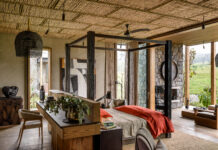
The four sectors of Buhoma, Rushaga, Ruhija and Nkuringo are well accommodated with safari lodges for visitors in Bwindi Impenetrable National Park. These lodges are categorized in three different categories that is to say; Luxury, Mid-range and budget.
In Buhoma sector, Luxurious accommodations include; Sanctuary Gorilla Forest Camp, Buhoma lodge, Bwindi lodge, Mahogany Springs lodge among others.
Mid-range lodges in Buhoma include; Engagi lodge, Silverback lodge, Lake Kitandara Bwindi Camp among others.
Low budget accommodation in Buhoma include; Buhoma Community Rest Camp, Ride 4 a Woman Guesthouse, Bwindi View Bandas, Bwindi Neck view Lodge and so many others.
In Rushaga sector, there is Gorilla safari lodge, Gorilla leisure lodge, Chameleon Hill lodge among others as luxurious lodges for visitors.
Mid-range accommodations in Rushaga include; Rushaga Gorilla Camp, Ichumbi Gorilla Lodge, Gorilla Valley Lodge, Mutanda Lake Resort among others.
Several excellent low-budget lodges serve the Rushaga sector of Bwindi Impenetrable National Park and they include; Rushaga Gorilla Havens Lodge, Nshongi Camp, Bwindi Backpackers lodge among others.
In Ruhija sector, you will find luxurious accommodations and these include; Ruhija Gorilla Safari Lodge, Kiho Gorilla Safari Lodge, Bakiga Lodge among others.
Some of the mid-range accommodations in Ruhija sector include; Ruhija Gorilla Safari Camp, Trekkers Tavern cottages.
Several budget lodges are found in Ruhija sector and these include; Broadbill Forest Camp, Gorilla Friends Resort, Ruhija community Rest Camp, Gift of Nature lodge and so many others.
Nkuringo sector has luxury lodges like Clouds Mountain Gorilla Lodge, Nkuringo Bwindi Gorilla Lodge.
Some of the mid-range lodges in Nkuringo include; Bweza Gorilla lodge, Lake Mutanda resort among others.
Excellent, highly rated budget lodges in the Nkuringo sector include; Bwindi Backpackers Lodge, Mutanda Eco Community Centre, Nkuringo Community Rest Camp, Gorilla Closeup Lodge among others.
Fees and bookings in Bwindi Impenetrable National Park. Gorilla trekking permits in Bwindi Impenetrable National Park are booked via Uganda Wildlife Authority. If you are generally going for gorilla trekking or habituation, the permit includes park entrance and guide fees. Permits and bookings should be secured 3–6 months in advance via the Uganda Wildlife Authority. The park has peak seasons of gorilla trekking, peak trekking months are June to September and December to February (dry seasons) where permits frequently sell out during this time, so booking early is highly recommended.
Gorilla trekking Permits.
- $800 per person (Foreign Non-Residents).
- $700 per person (Foreign Residents).
- UGX 300,000 per person (East African Citizens).
Gorilla Habituation permits.
- $1,500 per person (Foreign Non-Residents).
- $1000 per person (Foreign Residents).
- UGX 750,000 per person (East African Citizens).
Standard Park Entrance Fees (Per 24 Hours).
If you are engaging in activities other than gorilla trekking, standard entrance fees apply:
- Foreign Non-Residents: $40 per adult | $20 per child.
- Foreign Residents: $30 per adult | $10 per child.
- East African Citizens: UGX 20,000 per adult | UGX 5,000 per child.
For other activity costs, it is highly recommended to check on the online Uganda Wildlife Authority (UWA) tariff.